
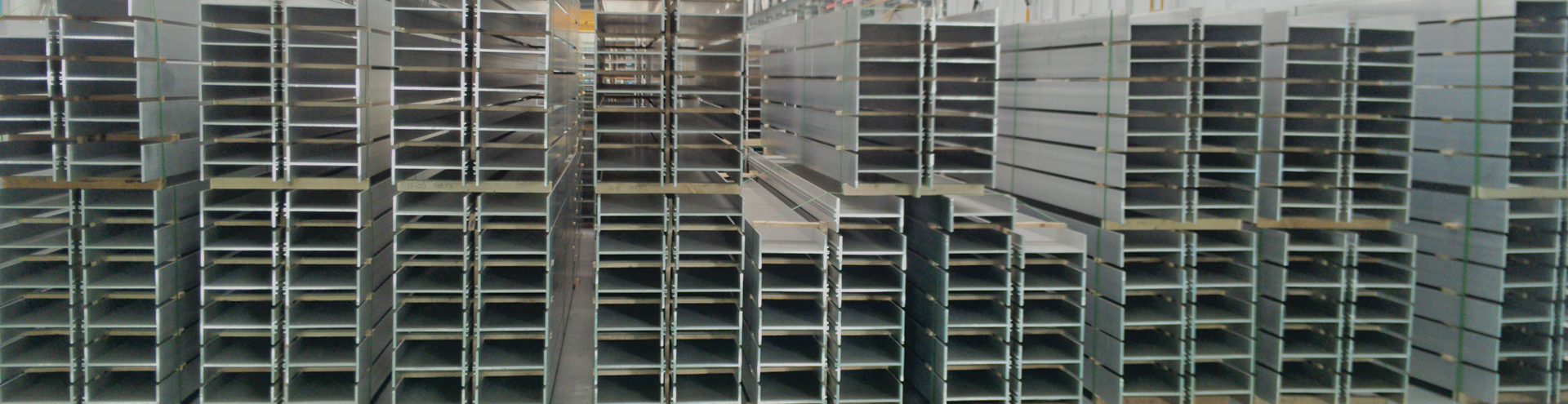
Aging Process of Aluminum Profiles
Artificial aging of 6xxx series aluminum alloy profiles involves heating in an aging furnace to approximately 180°C and holding for several hours, typically 4–5 hours.
Age Hardening
It is known that most extruded aluminum profiles worldwide are made from 6xxx series alloys, mainly including 6060, 6063, 6061, and 6005A.
These aluminum alloys are heat-treatable, meaning:
They can retain magnesium silicide in the aluminum solid solution through rapid cooling from the extrusion press, then release it under controlled high temperatures in the aging furnace.
This mechanism is called “age hardening,” and the technical operation itself is artificial aging. During artificial aging, aluminum profiles made from 6xxx series alloys exhibit specific strength characteristics—tensile strength, yield strength, and elongation.
Natural Aging
The precipitation process of magnesium silicide from the aluminum solid solution is very complex. It involves the formation and growth of clusters that hinder dislocation movement, thereby strengthening the material.
After quenching, 6xxx series alloys left at room temperature gradually increase in strength over a period ranging from 100 to 500 hours. This process is called natural aging. For the 6060 alloy with very low magnesium and silicon content, this process may take several months. Therefore, due to delays in product delivery, natural aging is often impractical. At the same time, T4 temper profiles have improved ductility, making this condition suitable for profiles that require bending.
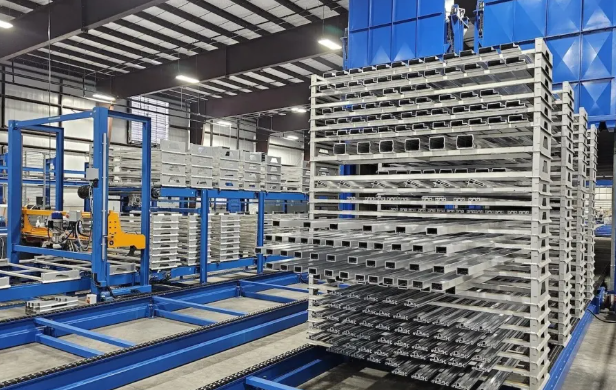
Artificial Aging
The aging process of aluminum alloys occurs more rapidly at elevated temperatures. This usually achieves higher strength levels than natural aging.
Artificial aging of 6xxx series alloy profiles involves heating to about 180°C and holding for several hours, typically 4–5 hours.
This treatment ensures that silicon and magnesium atoms dissolved in aluminum diffuse more rapidly toward regions where intermetallic Mg₂Si particles begin to precipitate. At the same time, the surrounding lattice undergoes elastic distortion because these precipitates cannot fully integrate into it. All these factors create obstacles to dislocation movement attempting to pass through these regions. As a result, the yield strength and tensile strength of the alloy increase.
If the aluminum alloy is kept at high temperature for an extended time, these particles grow and partially dissolve, and the yield strength decreases. In this case, the aluminum alloy is said to be in an overaged condition (see Figure 1).
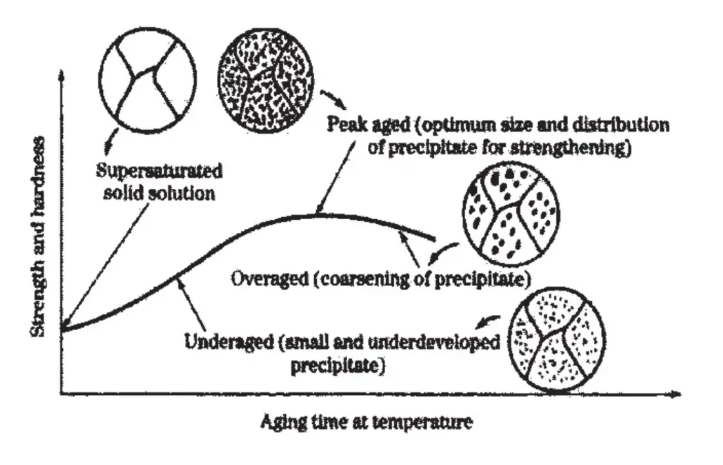
Figure 1 – Effect of artificial aging time on microstructure and strength of aluminum alloys
Figure 2 shows the dependence of strength on artificial aging of 6063 alloy profiles at different temperatures from 170 to 245°C. The strength level depends on both temperature and exposure time. A typical aging process for 6063 alloy profiles is holding at 185°C in an aging furnace for 4–5 hours.
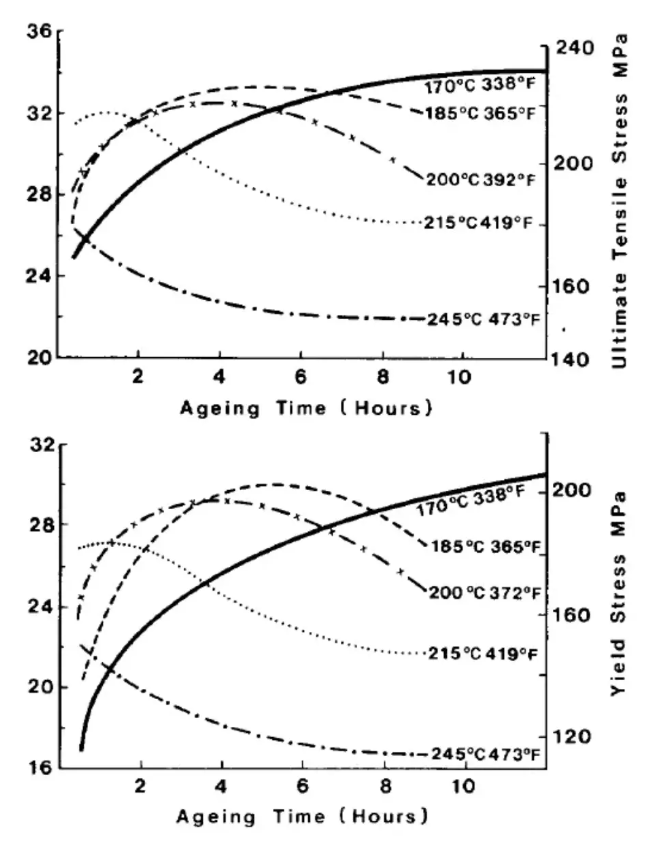
Figure 2 –Aluminum aging furnaces can have different designs depending on production requirements.
Aging Furnace Design
·Most furnaces have the following basic structural elements:
·Working chamber
·Air circulation system
·One or two air circulation fans
·Gas combustion and air heating chamber
·Gas burners and their control system
Direct or indirect heating
Most aging furnaces use direct firing. This means that combustion products mix with circulating air.
In indirect heating, gas burns inside special radiant tubes and is discharged through an external chimney. Circulating air flows along the outer surface of the radiant tubes and is heated by radiation and convection. Indirect heating eliminates contact between the profile surface and combustion products but requires increased gas consumption.
Longitudinal or transverse airflow
In most aging furnace designs, hot air is blown along the length of the profiles (see Figure 3). There are also design options with cross-flow air furnaces (see Figure 4).
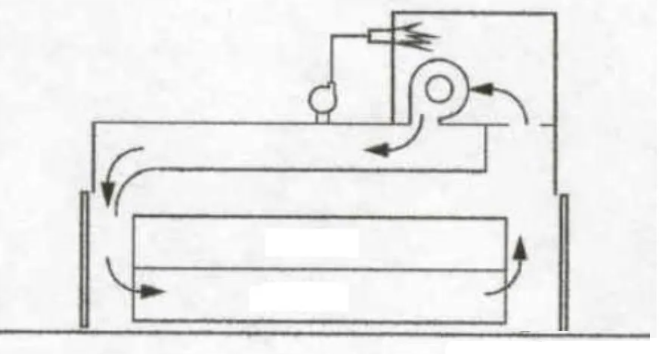
Figure 3 – Aluminum aging furnace with longitudinal airflow
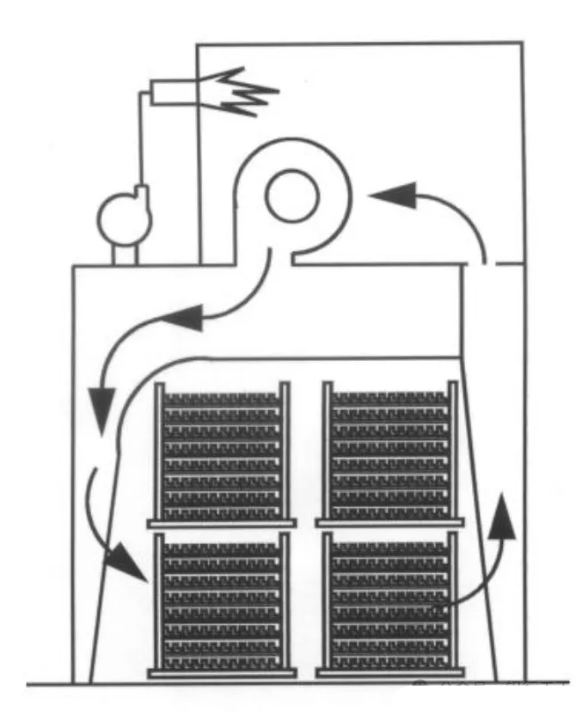
Figure 4 – Aluminum aging furnace with transverse airflow
In theory, furnaces with cross-flow air can provide better temperature uniformity between different profiles, but they have lower thermal efficiency.
The temperature uniformity of the profile load largely depends on the type and density of loading. Heat transfer from hot air to the profiles is mainly achieved through convection. Therefore, maximum contact between profile surfaces and circulating hot air is very important.
Furnace Length: Efficiency vs Uniformity
The thermal efficiency of an aging furnace increases with its length. However, as furnace length increases, temperature uniformity of the load decreases. Therefore, the optimal furnace length is a compromise between these two factors. Typically, furnaces can accommodate 1 or 2 racks; some can accommodate up to four rack lengths. Each basket is about 7 meters long. Longer furnaces are equipped with multiple heating and air circulation zones.
Modern Aging Furnaces
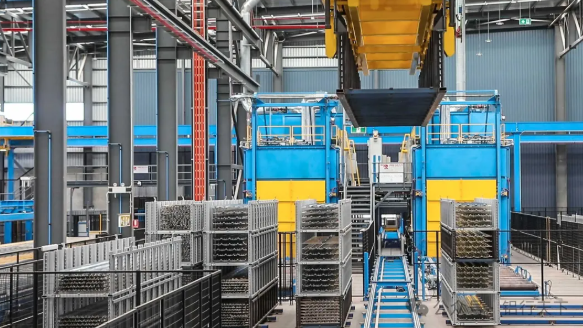
An example of a modern aging furnace is the dual-aging furnace (see Figure 5).
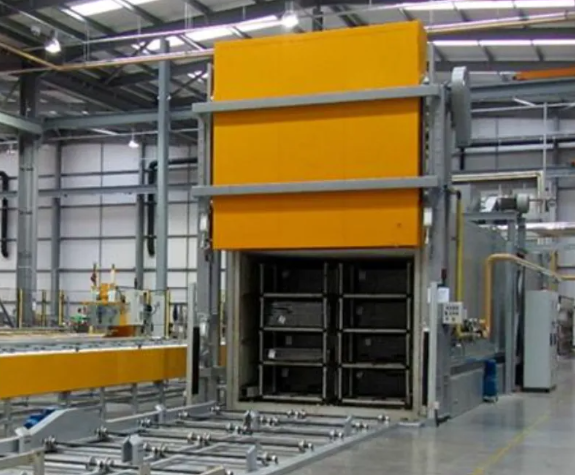
Figure 5 – Aluminum profile aging furnace
Circulating air is heated using the direct heating principle, providing maximum thermal efficiency. Gas burners are installed in a combustion chamber separated from the working chamber. Well-thought-out design and high-quality thermal insulation materials ensure very low energy consumption. The furnace operates based on longitudinal circulation of hot air.
Racks on wheels are moved across the workshop and furnace floor by driven rollers. The temperature in the furnace working chamber is controlled by six thermocouples installed in different zones.
The furnace is equipped with two centrifugal turbines to ensure that hot air flow effectively transfers heat across the entire cross-section of the loaded profiles. This ensures uniform temperature throughout the load, resulting in consistent strength (hardness) of all profiles.
The furnace door is equipped with a series of deflectors that help distribute hot air evenly across the cross-section of the baskets and effectively recirculate it for reheating.
If hot air in the furnace bypasses the loaded profiles, heat transfer is reduced, heating time increases, gas consumption rises, and temperature uniformity of the entire load decreases. Therefore, the main purpose of an aging furnace is to maximize airflow through the loaded profiles. Figure 6 shows an example of normal dense loading in an aging furnace.
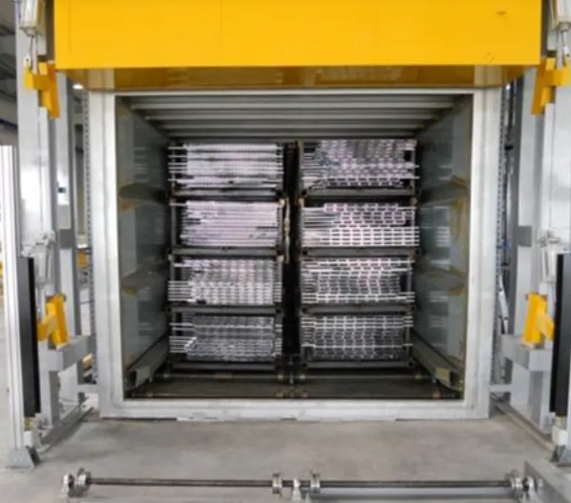
Figure 6 – Normal loading in an aging furnace
When the furnace is not fully loaded—due to insufficient or incomplete racks—free channels for hot air form across the furnace cross-section. In this case, hot air hardly penetrates between profiles, leading to significantly reduced heating efficiency (see Figure 7). To effectively process incomplete loads, furnaces are usually equipped with special deflector systems to direct airflow through partially filled loads.
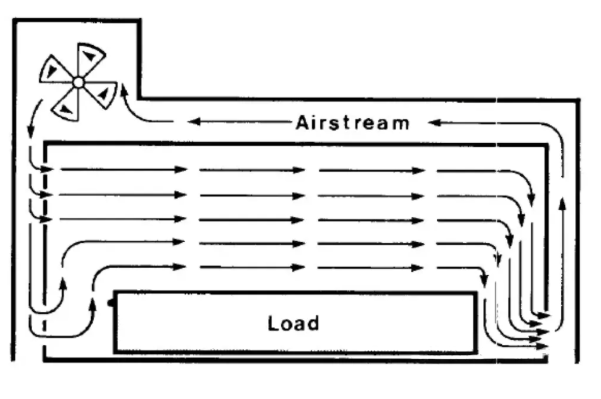
Figure 7 – Hot air flow in a partially loaded aging furnace
In addition, when loading the aging furnace, the heaviest profiles should be positioned where they can receive the hottest airflow. Large profiles may require longer heating times, and this loading method helps balance temperature differences among profiles within the furnace.
Post time: Mar-20-2026


